
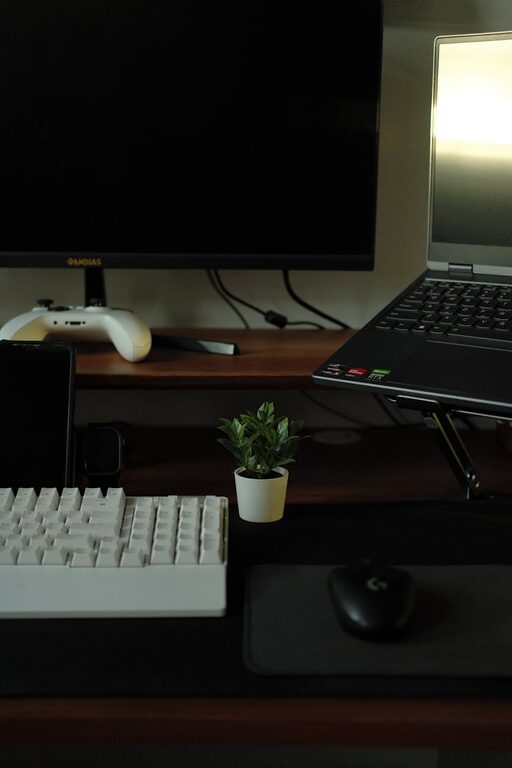
Creating a home office that is both relaxing and productive can significantly improve your work-from-home experience. A well-designed space encourages focus, reduces stress, and helps maintain a healthy work-life balance. Whether you have a dedicated room or just a small corner, these simple steps can help you craft an efficient workspace tailored to your needs.
1. Choose the Right Location
Location is key when setting up your home office. Ideally, select a quiet area with minimal distractions. If possible, a separate room dedicated solely to work is best, but if that’s not available, pick a corner that feels comfortable and private.
Tips for choosing the location:
– Avoid high-traffic areas to reduce interruptions.
– Ensure good natural light to keep the space bright and uplifting.
– Consider the proximity to your home’s power outlets and internet connection.
2. Invest in Comfortable Furniture
Comfort is essential for long hours of work. Invest in a supportive chair and a desk at the right height to encourage good posture.
What to look for:
– Chair: Adjustable height, lumbar support, cushioned seat.
– Desk: Spacious enough for your computer, notebooks, and accessories.
– Ergonomic accessories such as a keyboard tray or footrest can ease physical strain.
3. Optimize Lighting
Proper lighting reduces eye strain and creates a welcoming environment. Aim to combine natural and artificial light sources.
Lighting ideas:
– Position your desk near a window to maximize daylight.
– Use task lighting like a desk lamp with adjustable brightness.
– Avoid glare by placing screens perpendicular to windows and using curtains or blinds.
4. Declutter and Organize
A tidy workspace promotes clear thinking and efficiency. Keep only essential items on your desk and develop a system for organizing documents and supplies.
Organization tips:
– Use drawer organizers or desktop trays for small items.
– Label files and storage boxes for easy retrieval.
– Regularly clear out unnecessary papers or unused items.
5. Personalize Your Space
Adding personal touches can make your office feel inviting and less sterile. This can boost your mood and creativity.
Personalization ideas:
– Display photos, artwork, or inspirational quotes.
– Incorporate plants to add greenery and improve air quality.
– Choose colors and décor that make you feel calm and motivated.
6. Minimize Noise and Distractions
Noise can disrupt concentration and increase stress. Identify sources of noise and find ways to reduce their impact.
How to minimize distractions:
– Use noise-canceling headphones or white noise machines.
– Add rugs, curtains, or cushions to absorb sound.
– Inform family members or roommates of your working hours to limit interruptions.
7. Set Up Technology Efficiently
Ensure your technology supports your work without causing frustration. Organize cables and devices to keep the space neat.
Technology setup tips:
– Use a reliable computer and fast internet connection.
– Keep essential tech accessories within reach.
– Use cable organizers or clips to avoid tangles and clutter.
8. Establish Boundaries and Routine
A productive home office benefits from clear boundaries between work and personal life.
Strategies to maintain balance:
– Set specific working hours and stick to them.
– Take scheduled breaks to stretch and rest your eyes.
– Leave your workspace at the end of the day to unwind.
Conclusion
Designing a relaxing and productive home office doesn’t require a complete overhaul or expensive purchases. By choosing the right location, investing in comfortable furniture, optimizing lighting, and keeping your space organized and personalized, you create an environment where you can work efficiently while feeling calm and inspired. Small changes can lead to big improvements in your daily routine and overall well-being. Start with these simple steps, and tailor each element to your personal needs for a home office that truly works for you.