
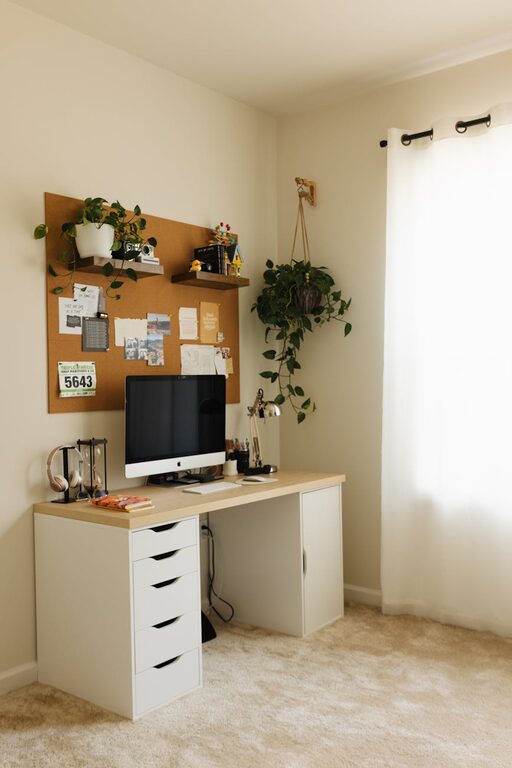
Creating a home office that feels inviting and helps you stay productive can make a big difference in your daily work experience. Whether you are new to remote work or have been working from home for a while, setting up a space that blends comfort with efficiency is essential. Below, we explore simple tips and practical advice to help you design a cozy and productive home office.
Choose the Right Location
The first step to a great home office is picking a spot that suits your needs.
– Quiet and Private: Select a room or corner where you can limit distractions. This could be a spare bedroom, a section of the living room, or even a quiet nook.
– Natural Light: Position your desk by a window if possible. Natural light boosts mood and reduces eye strain.
– Ventilation: Make sure your space has good airflow to stay fresh and comfortable during long work hours.
Invest in Comfortable, Functional Furniture
A cozy office starts with furniture designed to support your work and body.
– Ergonomic Chair: Choose a chair that offers good lumbar support and adjustable height to maintain comfort.
– Desk Size and Height: Your desk should fit your work essentials without feeling cramped. Adjustable desks allow you to switch between sitting and standing.
– Storage Solutions: Incorporate shelves, drawers, or organizers to keep your workspace tidy and clutter-free.
Create an Organized Layout
Organizing your workspace helps clear your mind and improve focus.
– Keep Essentials Within Reach: Arrange your keyboard, mouse, notepads, and other daily tools where you can easily access them.
– Cable Management: Use clips or sleeves to keep cords sorted and out of the way.
– Designate Zones: If space allows, set separate areas for computer work, reading, or brainstorming.
Add Cozy and Personal Touches
Personalizing your office can make it a welcoming place you’ll enjoy spending time in.
– Soft Textiles: Include a blanket, plush rug, or comfortable cushions.
– Plants and Greenery: Houseplants brighten the room and improve air quality.
– Artwork and Photos: Hang inspiring pictures or keep meaningful objects on display.
Optimize Lighting
Proper lighting affects both your energy and productivity.
– Layered Lighting: Use a combination of natural light, overhead lighting, and task lamps.
– Adjustable Desk Lamp: A lamp with adjustable brightness helps reduce glare and eye fatigue.
– Avoid Harsh Fluorescent Lights: Soft, warm bulbs create a soothing atmosphere.
Minimize Distractions
A focused work environment is key to productivity.
– Noise Control: Consider noise-canceling headphones or white noise machines if your area is busy or noisy.
– Declutter Daily: Keep your desk tidy to prevent visual distractions.
– Limit Non-Work Items: Avoid placing unrelated items that could divert your attention during work hours.
Incorporate Technology Wisely
Technology should support your work without overwhelming your space.
– Reliable Equipment: Invest in a good-quality computer, high-speed internet, and necessary peripherals.
– Organized Tech Setup: Use stands or mounts to keep screens at eye level and free up desk space.
– Backup Power: A surge protector or power bank ensures your devices stay safe and functional.
Establish a Routine and Boundaries
Finally, making your office more productive is also about your habits.
– Set Work Hours: Define a consistent schedule for starting and ending your workday.
– Take Breaks: Incorporate short breaks to stretch, move around, or refresh your mind.
– Separate Work and Home: When your workday ends, leave your office space if possible to help switch off.
—
Creating a cozy and productive home office doesn’t have to be complicated or costly. By thoughtfully choosing your space, furniture, lighting, and organization methods, you can enjoy a comfortable workplace tailored to your needs. With these tips, your home office can become a place that inspires focus, creativity, and a healthy work-life balance.